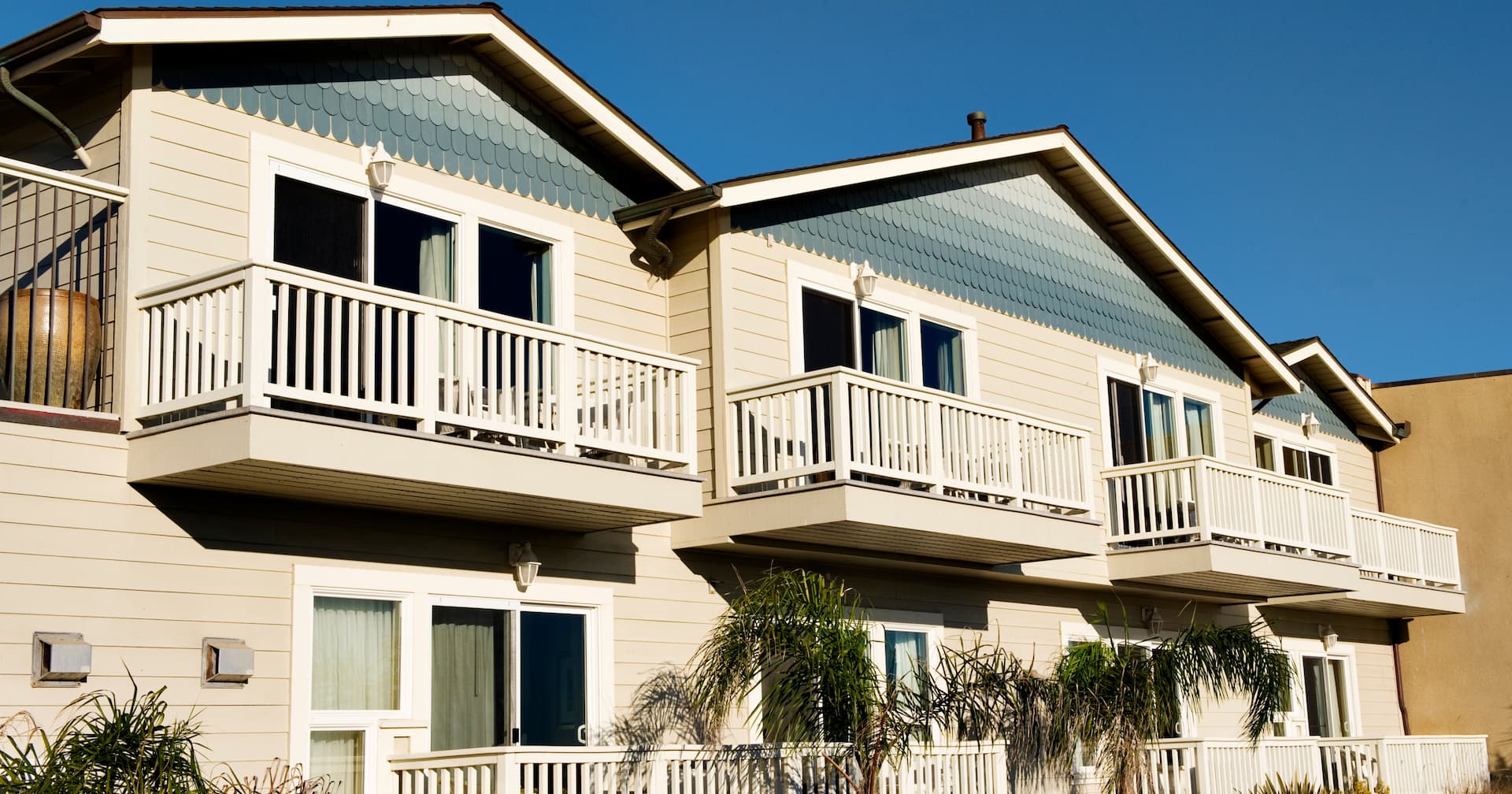
Senate Bill 721, commonly referred to as the Balcony & Deck Inspection Law, requires regular inspection of exterior elevated elements (EEEs) such as balconies, decks, stairways, and walkways in certain multi-unit residential buildings.
The purpose is straightforward: shift from reactive repair to proactive safety.
What SB 721 Requires
Inspections must be conducted by:
Licensed architects
Licensed engineers
Certified contractors with at least five years of relevant experience
A detailed report must be completed within 45 days of inspection, identifying:
Current condition
Remaining useful life
Recommended repairs
Any immediate safety concerns
Who It Applies To
SB 721 applies to:
Residential buildings with three or more units
Properties containing at least one exterior elevated element supported in whole or in part by wood
Key Timeline
First inspection deadline: January 1, 2025
Inspection frequency: Every six years thereafter
Now that the initial deadline has passed, compliance and documentation are becoming increasingly relevant in resale transactions.
Consequences for Non-Compliance
Failure to comply can result in:
Fines of up to $500 per day
Potential safety liens imposed by local jurisdictions
Insurance eligibility concerns
Complications during escrow and disclosure review
Why This Matters for Owners and Investors
For multifamily owners and investor clients, SB 721 represents more than a maintenance requirement. It directly impacts:
Property valuation
Insurance underwriting
Buyer due diligence
Escrow timelines
Balcony inspection reports are now commonly requested in transactions involving qualifying properties.
SB 721 is part of a broader trend toward increased safety, disclosure, and compliance standards in California real estate.
For full legislative details, visit the official California legislative site.
If you have questions about how SB 721 applies to your property or upcoming transaction, I’m always available to walk through the details.
Check out this article next