

AB 968: Understanding the California Flipper Disclosure Law

SERIES: LEGAL & REGULATORY INSIGHTS

Practical explanations of California real estate laws and regulatory changes that may affect South Bay buyers, sellers, investors, and property owners.


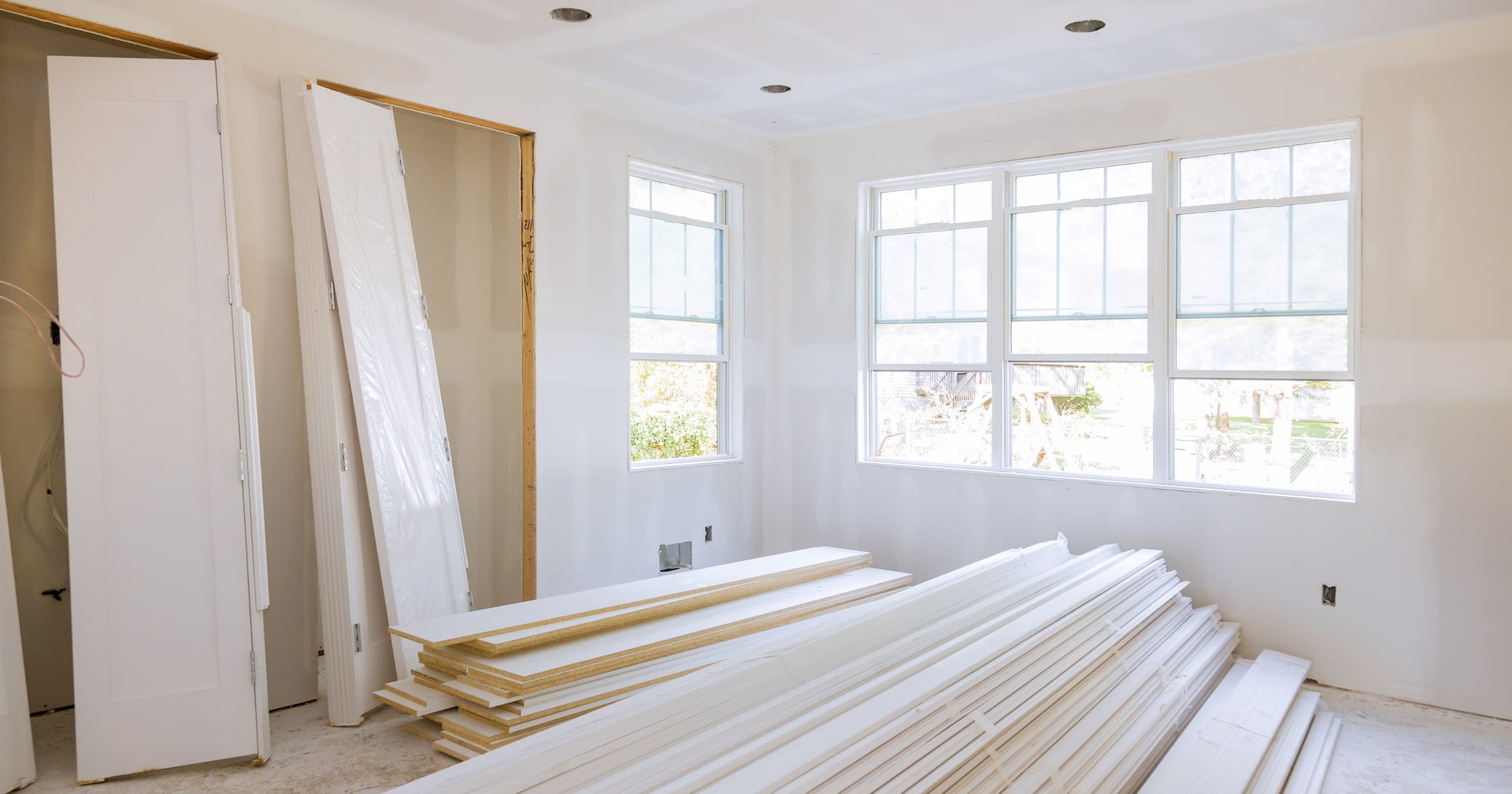
California has expanded disclosure requirements for certain recently renovated homes through Assembly Bill 968 (AB 968). The law is designed to increase transparency by requiring sellers who recently acquired and improved a property to provide buyers with more detailed information about the work that was completed before the home is sold.

If you're renovating a property for resale, purchasing a recently remodeled home, or investing in residential real estate, understanding these disclosure requirements is an important part of today's transaction process.


What Is AB 968?

AB 968 establishes additional disclosure requirements for certain single-family residential properties that are resold shortly after being purchased.

Generally, if a seller accepts an offer within 18 months of acquiring title, additional information regarding renovations and repairs may need to be provided to the buyer.

The goal is simple: improve transparency by helping buyers better understand what work was completed, who performed it, and whether the appropriate permits were obtained.


What Must Be Disclosed?

When applicable, sellers may be required to disclose information regarding improvements completed after acquiring the property, including:

  • Room additions
  • Structural modifications
  • Renovations
  • Repairs
  • Other material alterations

Depending on the circumstances, sellers may also need to provide:

  • The name of the contractor(s) who performed the work
  • Copies of applicable permits
  • Information about where permit records can be obtained if copies are unavailable

These requirements apply to qualifying transactions where an offer is accepted on or after July 1, 2024.


Who Does This Law Affect?

AB 968 primarily affects:

  • Residential property flippers
  • Real estate investors
  • Sellers who recently completed significant renovations
  • Buyers purchasing recently remodeled homes

While not every home sale falls under these requirements, the law adds another layer of documentation for qualifying transactions.


Why It Matters

California buyers increasingly expect transparency, particularly when purchasing recently renovated homes.

For sellers, maintaining organized records throughout a renovation project can help simplify the disclosure process and reduce questions during escrow.

For buyers, these disclosures provide additional insight into the improvements made to the property and whether permits and licensed contractors were involved.

As California continues expanding consumer protections, laws like AB 968 reinforce the importance of thorough documentation and clear communication throughout a transaction.


Key Takeaways

  • AB 968 creates additional disclosure requirements for certain recently acquired and renovated homes.
  • Qualifying sellers may need to disclose renovations, contractors, and permit information.
  • The law promotes greater transparency for buyers purchasing recently remodeled properties.
  • Keeping organized renovation records can help sellers prepare for a smoother transaction.


Related Resources

If you're buying, selling, or investing in California real estate, you may also find these resources helpful:


Questions About California Real Estate Laws?

Real estate laws continue to evolve, and every transaction is unique. If you're buying, selling, or investing in the South Bay and have questions about how California's disclosure requirements may affect your property or transaction, I'd be happy to discuss your situation and help you understand the considerations involved.


LEGAL & REGULATORY INSIGHTS DISCLAIMER

The information provided in this article is intended for general educational purposes only and should not be considered legal, tax, or financial advice. Laws and regulations may change, and every real estate transaction is unique.

Although Steven Mullins is a former attorney, he is not acting as your attorney and does not provide legal advice. Buyers, sellers, investors, and property owners should consult with qualified legal, tax, insurance, and financial professionals regarding their individual circumstances before making real estate decisions.

For additional information about California real estate laws, disclosure requirements, property owner protections, and other legal or regulatory topics, explore my Legal & Regulatory Insights articles.

After July 1, 2022, all contracts for the sale of single-family residential real estate must include a notification that any property appraisal must be impartial, objective, and free from improper or illegal influences as mandated by current legislation.

This bill would require a seller of a single-family residential property who accepts an offer for the sale of the single-family residential property within 18 months from the date that title for the single-family residential property was transferred to the seller to disclose to the buyer specified information, including any room additions, structural modifications, other alterations, or repairs made to the property since title to the property was transferred to the seller that were performed by a contractor and the name of each contractor with whom the seller entered into a contract with for the room additions, structural modifications, other alterations, or repairs, as specified. The bill would alternatively authorize a seller to satisfy these obligations by providing a list of room additions, structural modifications, other alterations, or repairs performed by, and provided by, the contractor with whom the seller contracted for the room additions, structural modifications, other alterations, or repairs. The bill would require the seller to provide a copy of any permit for any room additions, structural modifications, other alterations, or repairs to the buyer or, if the seller contracted with a third party and was not provided with a copy of the permits, by informing the buyer that information on permits may be obtained from a third party and providing the third party’s contact information. The bill would specify that these provisions apply to the sale of a single-family residential property where the seller accepts an offer from a buyer to purchase the property on or after July 1, 2024.

Now, residential flippers need to meticulously monitor and report all alterations to properties, even minor repairs, to guarantee compliance with permits. This new requirement introduces intricacies to the procedure and could potentially affect the speed and profitability of transactions.

For full bill details visit: Legal Info AB 96

Please reach out if you have questions. As always, I am here to assist you in navigating the complexities of today's real estate market. You can reach me at 310-901-4687 or [email protected].

Check out this article next

From Westwood to the South Bay: Helping Bruins Find Their Place

From Westwood to the South Bay: Helping Bruins Find Their Place

A proud UCLA alum shares the story behind partnering with UCLA Athletics — rooted in community, gratitude, and a commitment to supporting Bruins through every…

Read Article